
"large coffee bean"
30000 article(s) found
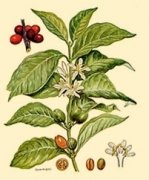
Coffee beans. There are about 60 species of coffee plants in the world.
There are about 60 species of coffee in the world, of which only 25 species are cultivated to make coffee, of which only 4 species are used as commercial coffee: large fruit coffee (Coffea liberica), medium fruit coffee (Coffea canephora), small fruit coffee (Coffea arabica) and high yield coffee (Coffea dewevrei). These are botanical names. Coffee in the world at present

The flavor, characteristics, taste and manor introduction of large-grained heavy El Guadol coffee
The Arabian Coffee Tree was first introduced to Ecuador in 1952 and its coffee is of good quality, especially the coffee harvested in early June. Ecuadorian coffee beans can be divided into two varieties: Galapagos and Gigante, both of which have the characteristics of large granules and heavy weight. Ecuadorian coffee can be divided into first class (No.1) and super excellent (Extra Superior) according to its quality.

What are the producing areas of Brazilian coffee beans? Characteristics of Brazilian coffee beans
Professional coffee knowledge exchange more coffee bean information please follow the coffee workshop (Wechat official account cafe_style) Brazil has seven states producing coffee, a total of 14 coffee producing areas Sao Paulo (Mogiana, Centro-Oeste) Parana (Norte Pionerio do Paran) Bahia (Planaltoda Bahia, Cerrado da Bahia, Atlantic)

Berman Manor, one of the largest coffee growing farms in Kenya
There are two types of coffee farms in Kenya. one is a large planting farm that covers an area of more than five acres, but the average elevation is low. In the case of Kenyan coffee, the coffee beans of the large farms are of medium quality. The best Kenya beans are produced in small farms, most of which are located in the foothills or volcanic slopes above 5,000 to 6,000 feet. Each small farmer has a capacity of only 20 to 70 bags per season and is unable to invest.
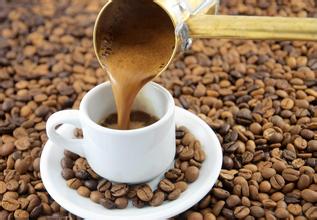
Kenya Coffee Bean Flavor Kenya Coffee Bean Origin Fine Coffee
Kenya borders Ethiopia to the north, where the Arabica coffee tree originated, but coffee cultivation did not begin until the early 20th century. Missionaries introduced Arabica trees from Yemen in the 19th century, but they did not plant them in large quantities until 1893, when they introduced the ancient seeds of Bourbon coffee from Brazil. Coffee in Kenya is of Brazilian descent.

Basic knowledge of coffee beans which country produces coffee beans?
The main varieties of coffee beans are Arabica and Robasda. According to theory, as long as the countries and regions where coffee trees are grown can be grown, which country produces coffee beans? Today we will talk about which country produces coffee beans. Brazil (South America), the largest coffee producer, accounts for 1/3 of the global consumption of coffee of all grades and types.

Fragrant but not strong alcohol flavor Yunnan coffee varieties taste Manor characteristics Fine coffee beans flavor introduction
The west and south of Yunnan Province are located between the 15th latitude and the Tropic of Cancer. Most of the areas are 1000-2000 meters above sea level. The terrain is mainly mountainous and sloping, with large undulations, fertile soil, sufficient sunshine, abundant rainfall and large temperature difference between day and night. These unique natural conditions form the particularity of Yunnan Arabica coffee taste, which is strong but not bitter, fragrant but not strong and slightly fruity. 50 years ago

The coffee producing area of Berman Manor in Kenya introduces the elevation of coffee beans in Berman Manor.
For the exchange of professional baristas, please follow the coffee workshop (Wechat official account cafe_style) the coffee production area of Berman Manor in Kenya introduces the elevation of coffee beans in Berman Manor KIAMBU this central area is mostly big landowners. However, with the expansion of urbanization, a large number of large landlords find it more profitable to sell their land for urban development than to become landlords. Coffee beans in this area

El Salvador coffee grinding treatment characteristics of varieties of producing areas taste boutique coffee introduction
Coffee fields are endless, and most of them are harvested mechanically to meet economic benefits. When 75% of the coffee fruit in the coffee garden turns red, the mechanical harvesting is started, followed by the same pre-operation of washing, which is transferred to the sink to remove the floating beans, sifting out the sunk beans, and then using a large pulp sifter to remove the pulp and remove the pods covered with pectin. The next stage is separated from the water washing method: sticky beans

Selection of household bean grinder
Coffee beans are ground by a grinder. Bean grinders range from manual for home use to large electric for business use. Coffee grinders come in a variety of brands and models, but ideally one that adjusts the thickness of the ground beans. When grinding with a bean grinder, don't grind too much at a time, just enough powder for one use, because the longer the bean grinder is used,

Kenya coffee production introduction three beans guest coffee roaster
Kenya borders Ethiopia to the north, where the Arabica coffee tree originated, but coffee cultivation did not begin until the early 20th century. Missionaries introduced Arabica trees from Yemen in the 19th century, but they did not plant them in large quantities until 1893, when they introduced the ancient seeds of Bourbon coffee from Brazil. Coffee in Kenya is of Brazilian descent.

Mild and aromatic Salvadoran coffee beans Flavor Taste Aroma Description
Semi-washed coffee has the consistency and sweetness of sun-dried beans, but also has the cleanliness and softness of washed beans, making coffee taste better. El Salvador coffee is tied with Mexico and Guatemala as the producer of Asa and Meldo, and is competing with other countries for the top one or two places in Central America. Highland origin, for the size of large coffee beans, fragrant taste mild. and dangerous land

Brazilian coffee bean producing areas introduce Minas boutique coffee bean flavor characteristics information Brazilian coffee culture
Professional coffee knowledge exchange for more information about coffee beans, please follow the coffee workshop (Wechat official account cafe_style). They are classified according to the state of origin and the port of transport. Brazil has 21 states and 17 states produce coffee, but seven of them produce the most, accounting for 98% of the country's total output. The terrain of Brazil is mainly divided into two parts, one of which is above 500 meters above sea level.

The evolution of Pacamara coffee beans and the characteristics of Pacamara coffee beans.
Professional coffee knowledge exchange more coffee bean information Please follow the coffee workshop (Wechat official account cafe_style) many years ago, most buyers in the boutique coffee industry shunned large-grain coffee, such as Maragogype and Pacamara. Large-grain coffee grown at low and middle elevations usually showed less pleasant vegetables or woody condiments.
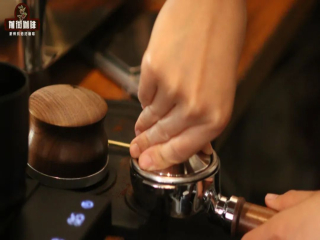
American coffee how much water tastes good the best proportion parameter ice American coffee powder water method
Nowadays, American coffee generally refers to espresso mixed with water into a large cup of light coffee. Of course, as long as you solve the most difficult part of extracting espresso, making American coffee will not be a problem. However, recently, many friends have been asking American questions about the ratio of coffee to water, as well as the amount of water.

What are the three major coffee producing areas in the world? Arusha Coffee Estate
Mexican coffee production is concentrated in the southern part of Guatemala, and mountains run through it on both east and west sides, making its mountains inclined and ideal for coffee cultivation. Coffee cultivation is still common. From the highland, it is classified into Aldera, Prima, Labad and Barnlabad in order. Coffee bean size from medium to large grains are available, appearance, aroma

Taste characteristics of Yunnan Coffee varieties with mellow but not strong fragrance introduction to Fine Coffee beans in Manor
The western and southern parts of Yunnan Province are located between 15 N and the Tropic of Cancer, most of which are 1000-2000 meters above sea level. The topography is dominated by mountains and slopes, with large ups and downs, fertile soil, sufficient sunshine, rich rainfall and large temperature difference between day and night. These unique natural conditions form the special taste of Yunnan small-grain coffee, which is strong but not bitter, fragrant but not strong, slightly fruity. As early as fifty years

What is the difference between coffee and coffee beans
The Lieberica Coffee Tree is tall and strong, 18 meters high, with large and tough leaves, large fruits and coffee beans. Lieberica coffee is grown in Malaysia and West Africa, and its production is small because of its unique taste and low demand. At present, Arabica coffee accounts for about 70% of the world's total coffee production, but the proportion of Robbins coffee is increasing, mainly because of Robbins.